Arlington Tree Co.

Upper Arlington, Ohio — Tree City USA

Boutique tree care for UA's most cherished properties. Hand tools where possible. Slow, attentive work. By someone who grew up on these streets.

Text David →

or call: (614) 312-2979

As featured in

“It might be a little messy, but it will save your tree.”

David All  ·  Spotted Lanternfly  ·  May 2026


Read the field guide →
Free Estimate

Tell me about your trees.

No obligation. I'll call or text you back same day.

I respond same day. No obligation.

What we do

Tree care, Upper Arlington.

Late Spring · May–Jun

What your trees need now.

Tree Steward enrollments Pest & disease management Fruit tree specialty (peach, apple, pear) Tree condition reports Corrective pruning (dead, diseased, damaged) Tree-of-Heaven eradication — booking July work now Soil lab testing & augmentation Disease testing — pathogen ID Fall planting plans
Text David about May–Jun work →

Pruning & Crown Work

Structural pruning, deadwood removal, and canopy shaping. Hand tools first. We work with the tree's natural form, not against it.

Ask about this →

Wound Care

Surgical repair of lawnmower damage, bark tears, and prior improper cuts. Sterile razor work to shape wounds for proper compartmentalization.

Ask about this →

Tree Health Assessment

Observational diagnosis of pest pressure, fungal issues, structural defects, and decline. Honest evaluation — no upsell.

Ask about this →

Young Tree Training

Early structural pruning prevents costly problems at maturity. The best investment you can make in a tree is when it's young.

Ask about this →

Storm Response

Hanging limbs, split leaders, debris on the roof. After a significant storm I reach out to Tree Steward clients first. Walk-ins welcome too — call or text and I'll assess same day when I can.

Ask about this →

Tree Advocacy

When a big job needs a crew, or the utility company wants to hack your canopy, you need someone in your corner who speaks the language. I'll walk the job with you, help you evaluate bids, and make sure the work gets spec'd right. Show up the morning of with Tremont Goodie Shop doughnuts for the guys.

Ask about this →

Tree-of-Heaven.
A long campaign.

If you're cutting it, you're spreading it.

Ailanthus altissima is the most aggressive invasive tree in Ohio — and the Spotted Lanternfly's preferred breeding host. In Upper Arlington it pushes 50–80 feet at maturity, and a single tree's root system extends well across property lines. Cut, mow, or pull one — and the clonal network responds, sending up dozens of suckers in your yard and your neighbor's.

Conventional wisdom — cut first, treat the stump — is the older protocol. The lead labs out east, where the lanternfly arrived first and the science has had a decade to catch up, point the other way: treat the standing tree, then remove. Cut first and you trigger the very clonal response you're trying to shut down. I read the journals.

Done right, eradication is a two-to-three year commitment. Done wrong, it's permanent. I don't take one-shot Tree-of-Heaven jobs — they don't work.

01

Walk the blast radius

I survey the surrounding properties for connected clones and coordinate with neighbors directly. One tree is almost never one tree — the campaign has to cover the network, not just the trunk in your yard.

02

Treat the standing tree

Window is narrow and the chemistry has to be right. Translocation timing matters more than most operators doing this work realize — get it wrong and you've added stress without delivering the dose. Then weeks of patience before the trunk comes down.

03

Then remove

For mature trees over 20 feet — most of them in UA — I coordinate the climb-and-rig crew and supervise the removal myself. Stump grind included. The work gets spec'd right and the bids get evaluated honestly.

04

Year two, year three

Spot-treat survivors. Watch the seedbank. Multi-year persistence is what separates eradication from a temporary win — and what most operators won't stick around for.

Stop pulling. Stop cutting. Stop mowing.

Mechanical removal triggers the clonal response. Every cut without a treatment plan makes the problem bigger and the network wider.

Other invasive removals

Same long campaign. Different species.

Norway maple Acer platanoides — The most common invasive in UA. Planted as a street tree for decades. Most homeowners think they have a sugar maple — break a leaf stem; white sap means it isn't. Top-tier lanternfly host. Callery pear Pyrus calleryana — Banned for sale or planting in Ohio since January 2023, but existing trees aren't covered. Stinks in spring, splits in summer storms. Wild offspring grow tire-puncturing thorns. White mulberry Morus alba — Resprouts from any cut stump or root fragment. The treatment window after cutting is measured in minutes. Two seasons of follow-up. Siberian elm Ulmus pumila — Brittle wood, weak crotches that fail in storms. Prolific seeder along roadsides and disturbed ground.
Text David — Tree-of-Heaven plan →

Booking July work now. Multi-property coordination included.

The Tree Steward
Program

I imagine Upper Arlington as our orchard.

A hundred-tree apple orchard in Pennsylvania was enough to teach me that you can't manage what you don't know. A hundred acres of old-growth forest on the Olympic Peninsula was enough to teach me that the work is never done — only tended. One Tree City of mature canopy is the same covenant, simply more focused.

Most tree problems don't announce themselves. They build quietly — a pest taking hold, a branch losing attachment, a root zone slowly compacting. By the time you notice, the work is bigger than it needed to be.

The Tree Steward program is a standing relationship. I make my orchard round on a regular schedule — checking in on bugs, watching for what's changed season to season. After a storm I reach out before you have to call.

You get someone who knows your trees. I get a route worth driving.

$297 per year
or $29.99 / month
Text David for Details →
Read the full Tree Steward story →
01 Quarterly visits — four times a year, timed to the seasons, so nothing gets missed between visits
02 Post-storm inspection — I reach out to you first, assess for hanging limbs and structural damage
03 Annual written health summary for each tree — species, condition, observations, recommendations. Lab-grade soil testing available as an add-on when it's worth doing.
04 Before and after photos on every visit — so you see the work, not just the invoice
05 Priority scheduling — Tree Steward clients book before the open calendar

A UA native.
Returning home.
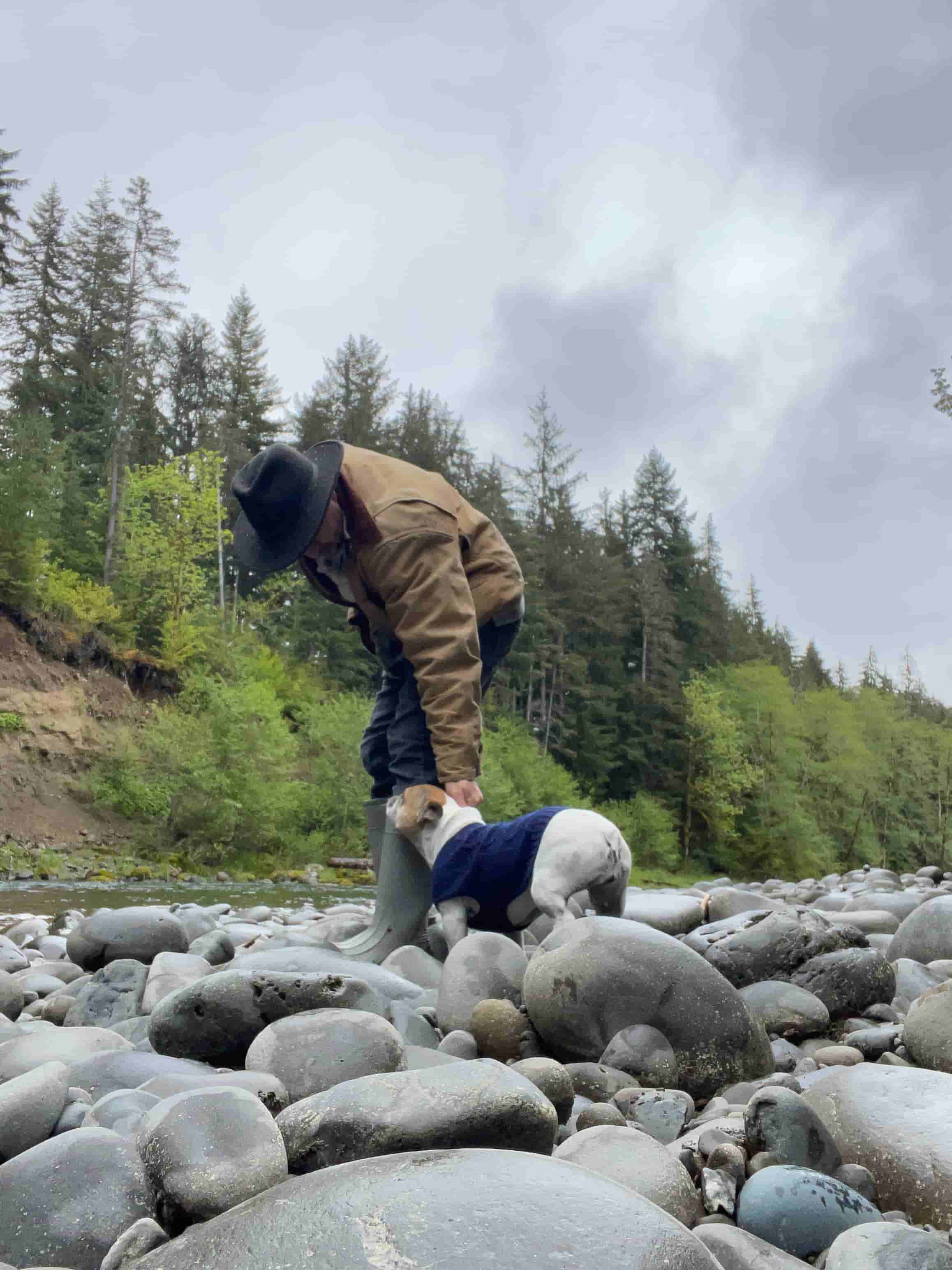
David All — Arlington Tree Co.

David All · UA '97

I grew up in Upper Arlington — starting on Chester, moving to Henthorn for middle and high school, and finally Ashmore. I traded in the lacrosse stick for the pole saw, but the footwork's the same. My roots here go back generations: my grandparents, the Seegers, raised my father and aunt on Wesleyan and were founding members of UA Lutheran Church.

I returned to Upper Arlington after my father passed away. Walking past Jones and Barrington, I was moved by the ancient Oaks — the living vision of the stewards who built this neighborhood. My career had taken me all over the world. My roots stayed here.

I spent my youth under one of the tallest oak canopies in the city. In middle school, I wrote a poem called 'Tree Heaven' that was published in the UA News. My parents planted trees everywhere we lived in UA; today, those trees are thriving.

What I brought back wasn't just a business plan — it was a practitioner's path. From old-growth forests on the Olympic Peninsula to heritage apple orchards in Pennsylvania, I learned that a tree is a patient, not a project. Antiseptic tools, clean angles, and the nightly walk to see what has changed.

Arlington Tree Co. is an honest way to make a living. I work the streets I grew up on, using a few razor-sharp tools from my grandfather's collection to care for what's been here longer than any of us.

Forty years apart
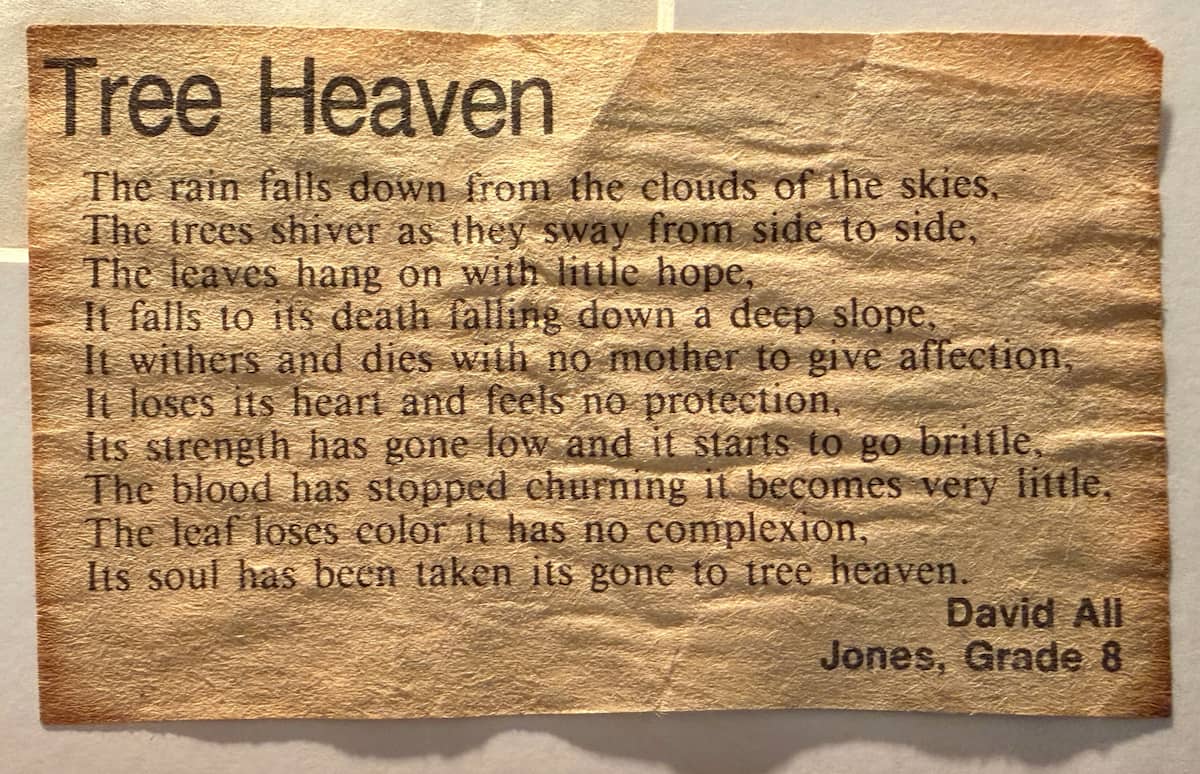
'Tree Heaven' by David All, published in the UA News, Jones Middle School, 8th grade
Tree Heaven · UA News · 1993
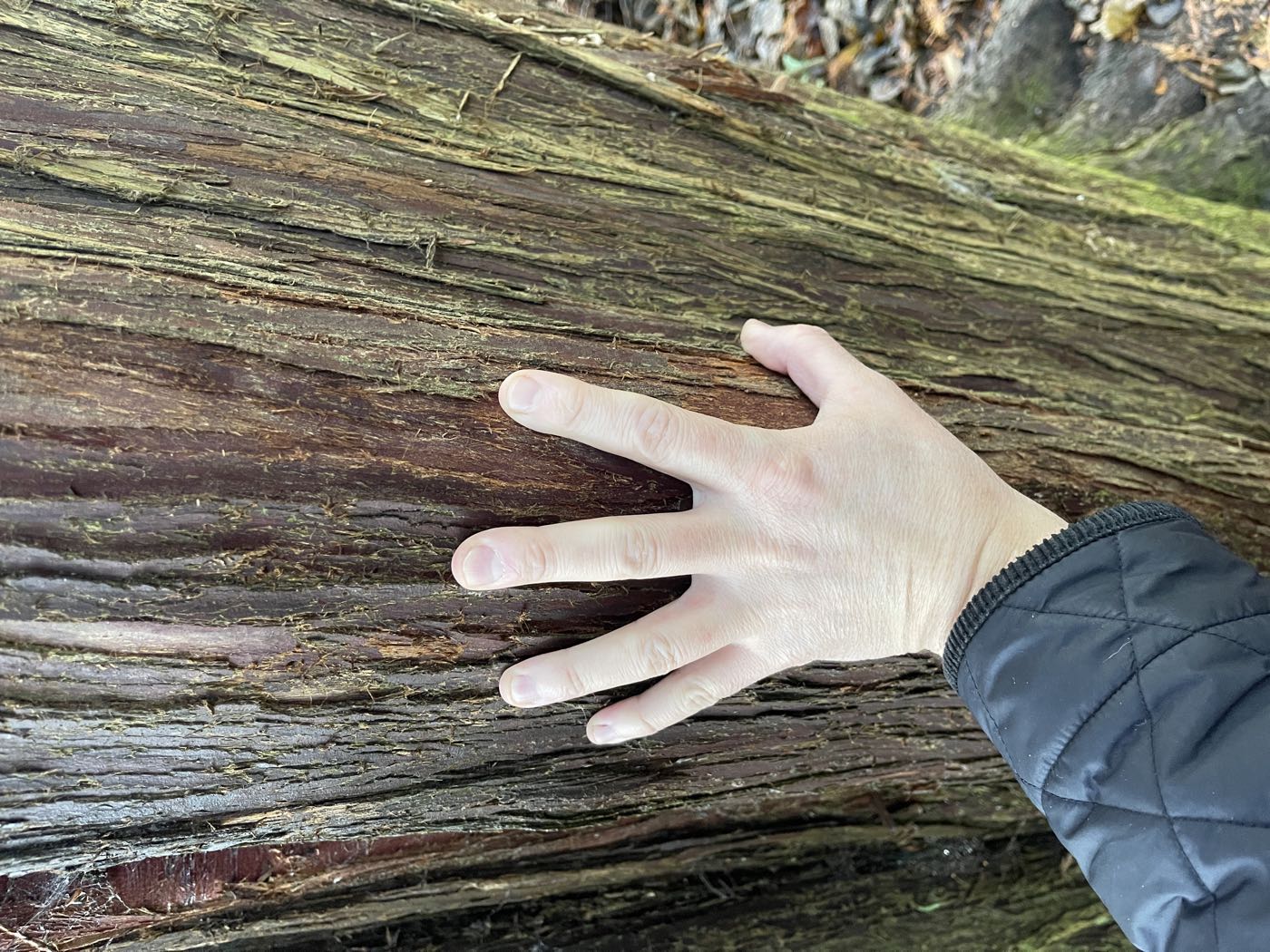
David's hand laid on the bark of a great fallen log — a promise to the trees
Tree Guardian · 2025

One Soul, Many Trees.

Read the poems →
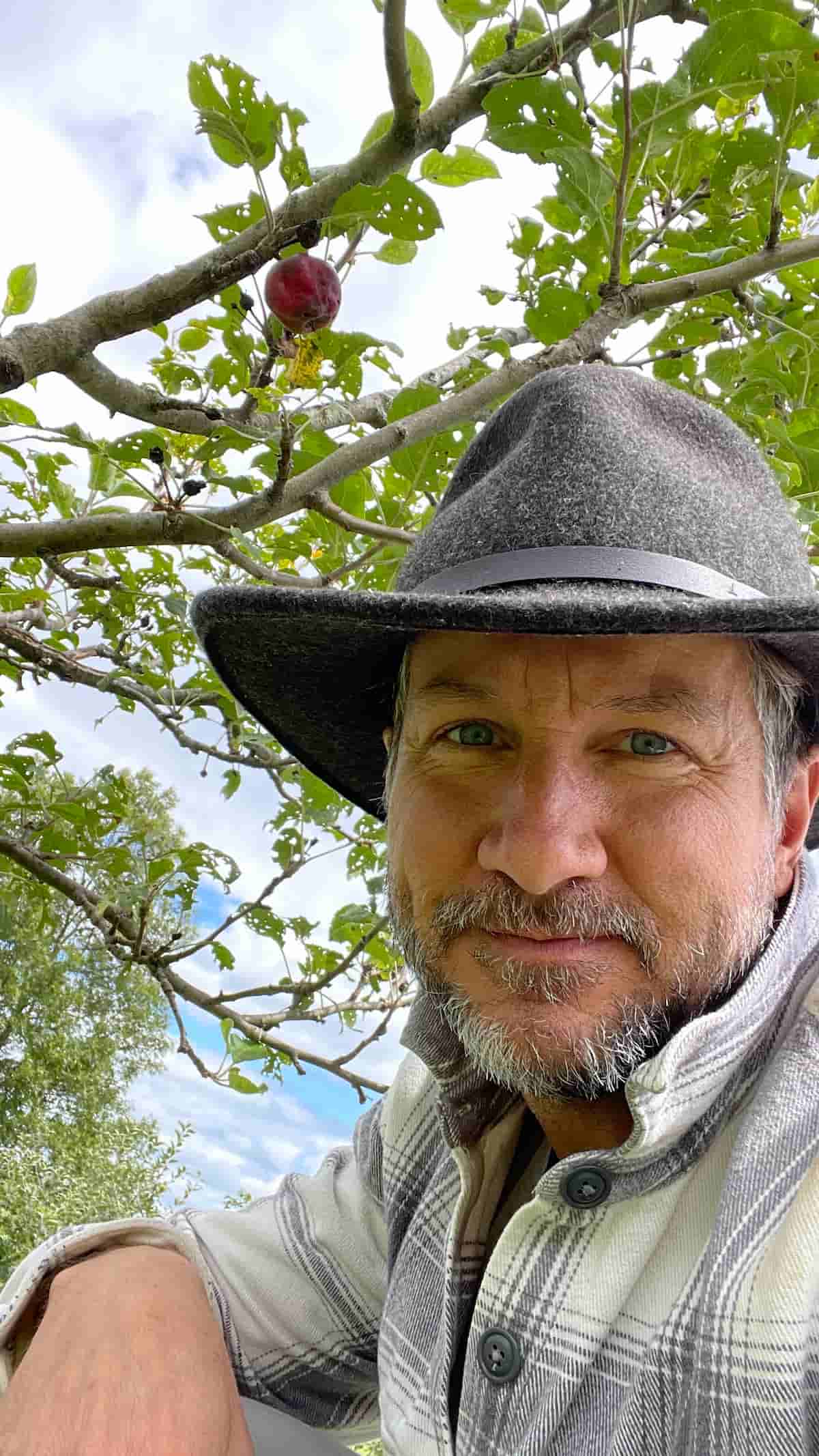
David All up in the heritage apple orchard — Spring Mills, PA

Heritage apple orchard · Spring Mills, PA

Roots

Tremont · Jones · UAHS '97
Upper Arlington born and raised

Field Experience

Orchard management, Laurel Spring Cidery — PA
Old-growth stewardship, Olympic Peninsula — WA
Nature program leader, Millbrook Marsh Nature Center — PA

Credential

Member, Ohio Chapter ISA
ISA Certified Arborist — in progress

License

Ohio Commercial Pesticide Applicator — license pending issuance
Core · Industrial Vegetation · 6c Ornamental Weed Control

Research

Co-author, "Opioid Treatment Deserts"
PLOS ONE · Ohio State University · 2021

Tools & Practice

Silky saws · Felco pruners · Yoshiaki bonsai shears · Yoshihiro Tsubaki blade oil. Hand-sharpened. Great Grandpa Gammon's pole saw. The Stihl when diameter requires it. Nothing synthetic touches the cut.

Approach

Hand tools first.
Slow work. Done right.
Know Your Trees

What tree is that?

Snap three photos. Our AI identifies the species in under a minute. Walk your neighborhood and discover what's growing around you.

Identify a Tree Free →

No account needed. Works on any phone.

Plant A Tree

The best time was twenty years ago.

The second best time is now. Whether replacing one that came down or adding shade for the next generation — it starts with the right tree in the right place. Site analysis, soil testing, and three recommendations matched to your property.

Text David to Schedule → Browse trees on CanopyKeep →

Upper Arlington, only.

Not Columbus-wide. Not all directions. UA has a distinct character — mature canopy, a community that genuinely cares about its trees, and a Tree City USA designation since 1990. That focus lets us do better work.

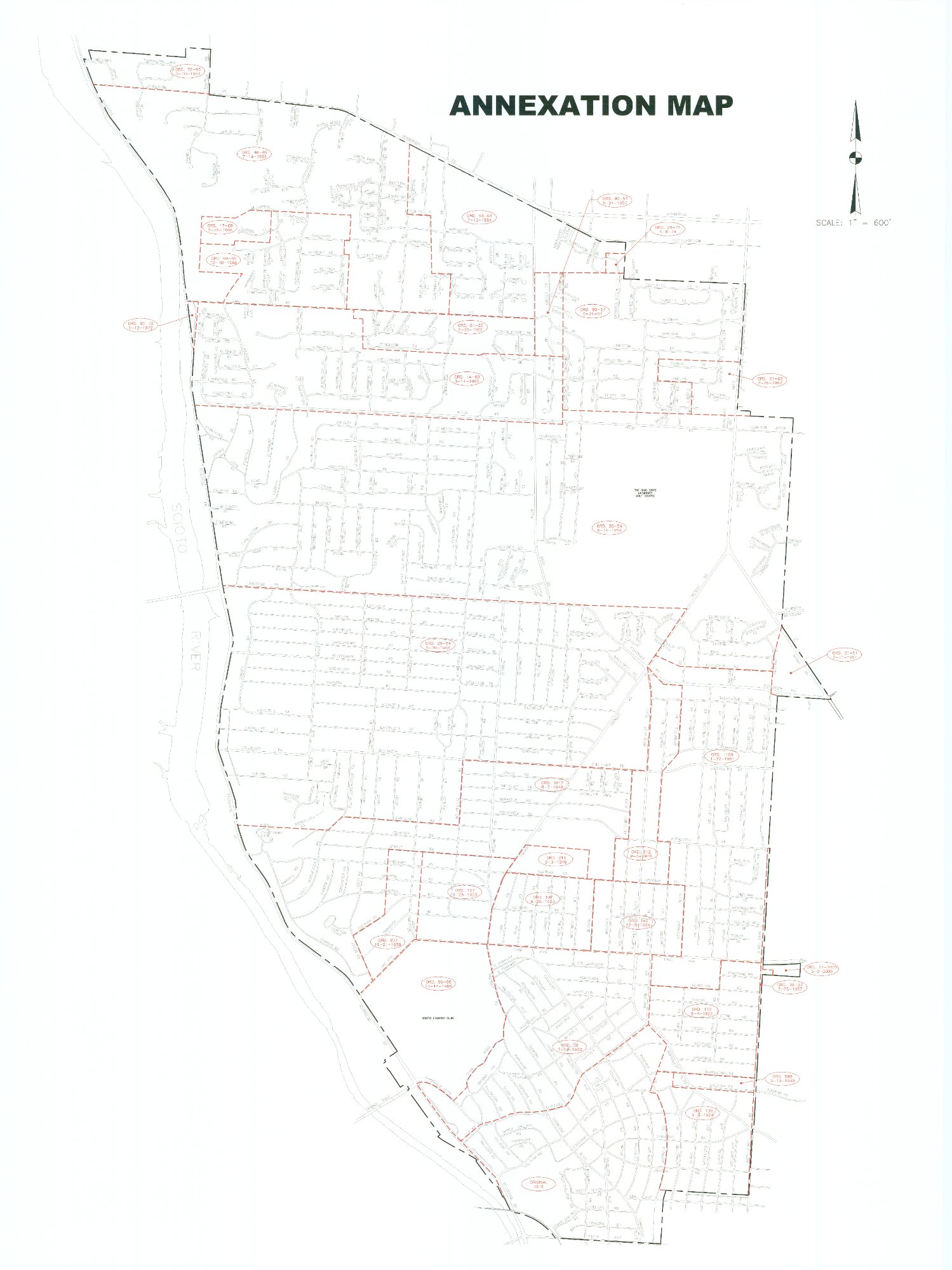
The annexation map tells the story. The oldest neighborhoods — Old Arlington, the original neighborhoods — carry the deepest canopy. Later annexations filled in around them. The trees track the history. Knowing when a neighborhood was built tells you what's growing there and what it needs next.

Tree City USA — Upper Arlington
Upper Arlington Annexation Map — showing the historical growth of the city and its neighborhoods

Annexation Map courtesy of the Upper Arlington Public Library, UA Archives & the City of Upper Arlington

Let's talk about
your trees.

No obligation. Tell me what you're seeing and I'll respond within one business day.

Text is fastest — I respond same day.

Text David Call
🌳
Thank you!
I'll be in touch same day.